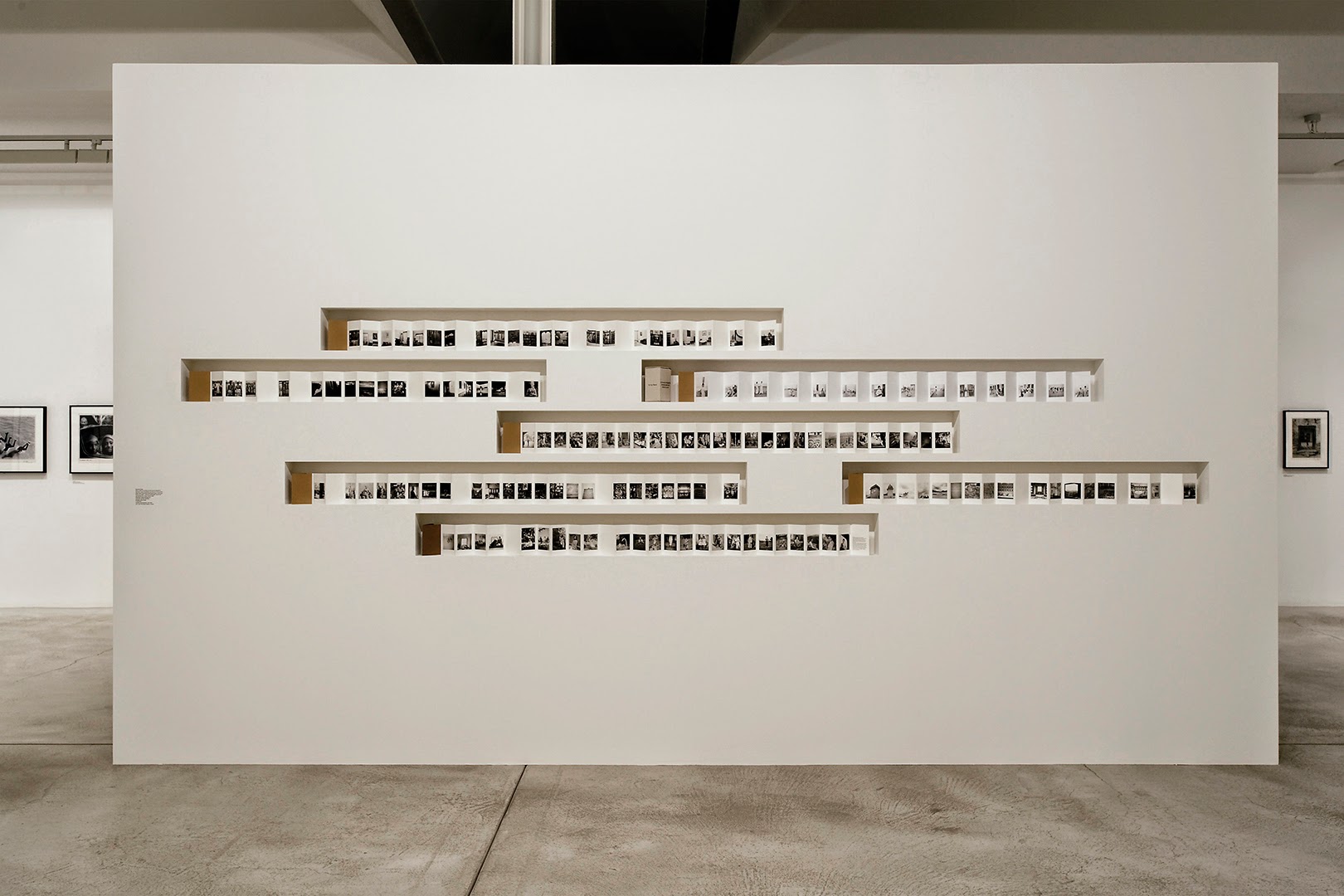
Photography starts now

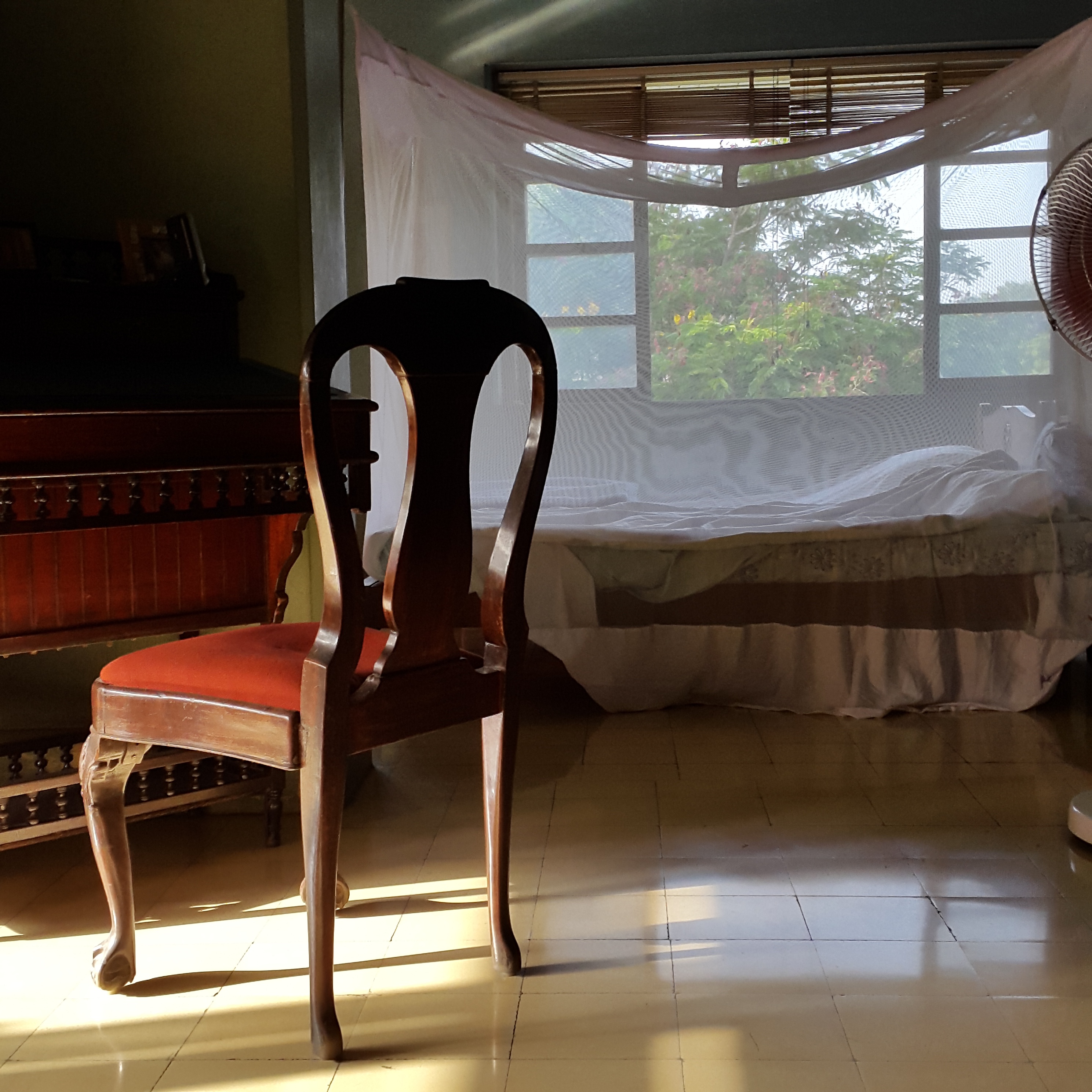
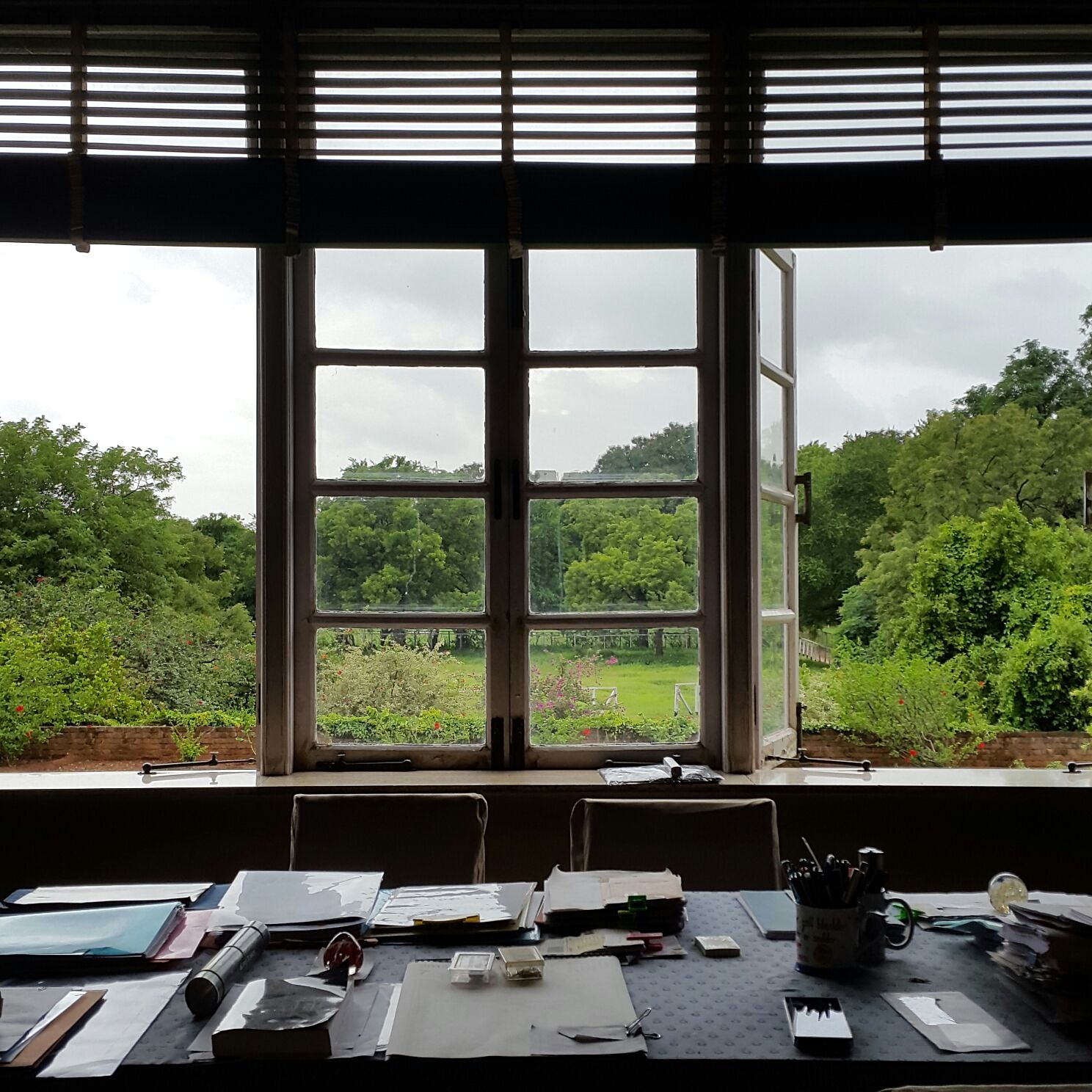
P1 IMG_20150719_084654
My essay for  Blink, on their issue on Cell phones http://goo.gl/GuOpJh
Photography starts Now
  1. Cell phones have made Photography into what it always set out to be: a universal and democratic language. Everyone that has a mobile phone can participate in a conversation with images, regardless of the verbal language that they speak. Photography works at its best when it can “capture” that which has no words. It is when Photography says what words cannot even begin to express that it becomes a different form of communication.
    This has implications that we cannot even know at this time. Imagine how this could change our idea of illiteracy, as people who are “not literate” could communicate with images! .Imagine if we could we one day have a Hamlyn dictionary of images? A language where the words are images.In this sense, one could say Photography starts Now
  2. So, while Photography becomes a people’s movement , a public act and the language most people will speak, what then will a professional photographer be? But, of course, as with writing, not everyone who writes is a writer. I think Photography will become the raw material, and the ‘photographer’ will make new forms from this ‘clay’.
  3. What makes the difference with mobile phone photography is that people photograph with different intentions: people are not necessarily looking for ‘good ‘ photographs but for what is most important to them. So the range of what is considered ‘Photo Worthy’ gets expanded and, through this, new forms will emerge. This is exactly what Photography needs.new forms that push the limits of the medium.
  4. I still work mainly with Film. I like how it slows me down, how considered each frame is. But, I use my mobile phone for instagram and WhatsApp. I particularly enjoy WhatsApp as it has certainly replaced letter writing for me. When I think of someone, I send them an image that I hope also transmits how I am feeling at the time (something that conveys more than just where I am and what I am doing). This is just one of the ways that I think photographs will start replacing words in general communication.
  5. The whatsapp photo is like a postcard, but I also send very still videos so I can send sound as well as moving images, and sometimes only audio. So the cell phone gives me 3 different ways to communicate.
  6. This then leads me to the idea of the ‘moving still image.’ In the digital world, when the difference in still and movie is just a button, perhaps, the form of the future will be a still moving image, or a still image with sound. (All this is so easily done on the phone, think of when, as a mistake you think you have made a still image but have actually recorded a movie.) This in itself changes the idea of the Photographer . How then can a Photography school not teach film. It is in this very overlap, of still and movie  that the new definition of Photographer could emerge.
  1. What we do miss in this world flooded with images, is editors. Whether that can happen as an app or still requires a person still remains to be seen, but someone has to make sense of all the billions of images that we throw out each day. Still, I will say I am surprised we do not have an App that can work as an editor. Perhaps this is something photographers will have to learn to do for themselves. How to make a poem out of their collection of ‘words’.
  2. Here is my photo tutorial for  mobile phones. I call it, LBC.
  • LIGHT- watch the light falling on that which you are drawn to photograph. Move yourself around the  ‘subject’ to see if you might get better light. Moving not just left to right but up and down as well. Almost a dance around the ‘object’.
  • BACKGROUND- then look at what is in the background, does it enhance your image or take away. Again move around to see if you can find the most appropriate backdrop, the least distracting. Same dance as for the light.
  • CORNERS- then look to the edges of the frame and see what is in the corners. Do you want it, does it  add something, can you move in or away to make the edges more defined? Personally, I think the image is about what is left out of the frame.
  • Breathe- Just take a breath or two before making the image. And take just one ‘shot’. Or to slow down even more, use a tripod! Slow down. Thats it. LBC.
  1. But this is just making photographs, this does not make you the Author of the work. That ‘something else’, that indefinable quality, that which makes the image linger and give it resonance, is very hard to articulate. It comes, perhaps, from a honing of intuition. Which, in turn, comes from all the experience you bring, whether its the experience you gather through literature, through travel, through cinema, or just through living life. In that technology cannot help, and in that there are no short cuts.
Photography starts now

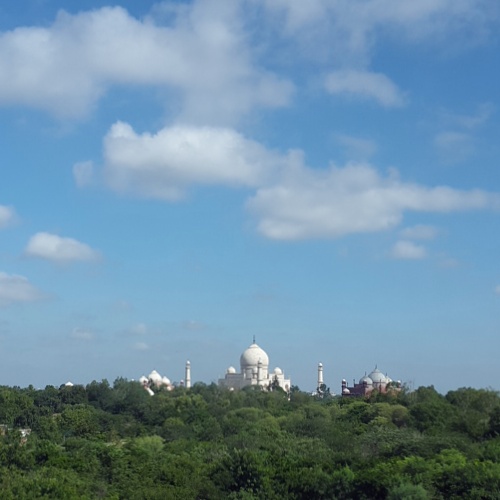
Selfie worthy monuments

image

Mayawati needed to hire a Selfie scholar or a Photographer, if she wanted to bring more people to her monumental parks in noida and Lukhnow.
Todays monument’s significance depends on how selfie worthy they are. Taj mahal wins hands down. Hordes of selfie armed visitors. Atleast 10 different angles possible.
Something architects of new monuments will need to consider.
Photography becomes all pervasive.

Selfie worthy monuments

In conversation with T M Krishna – A voice of ones own

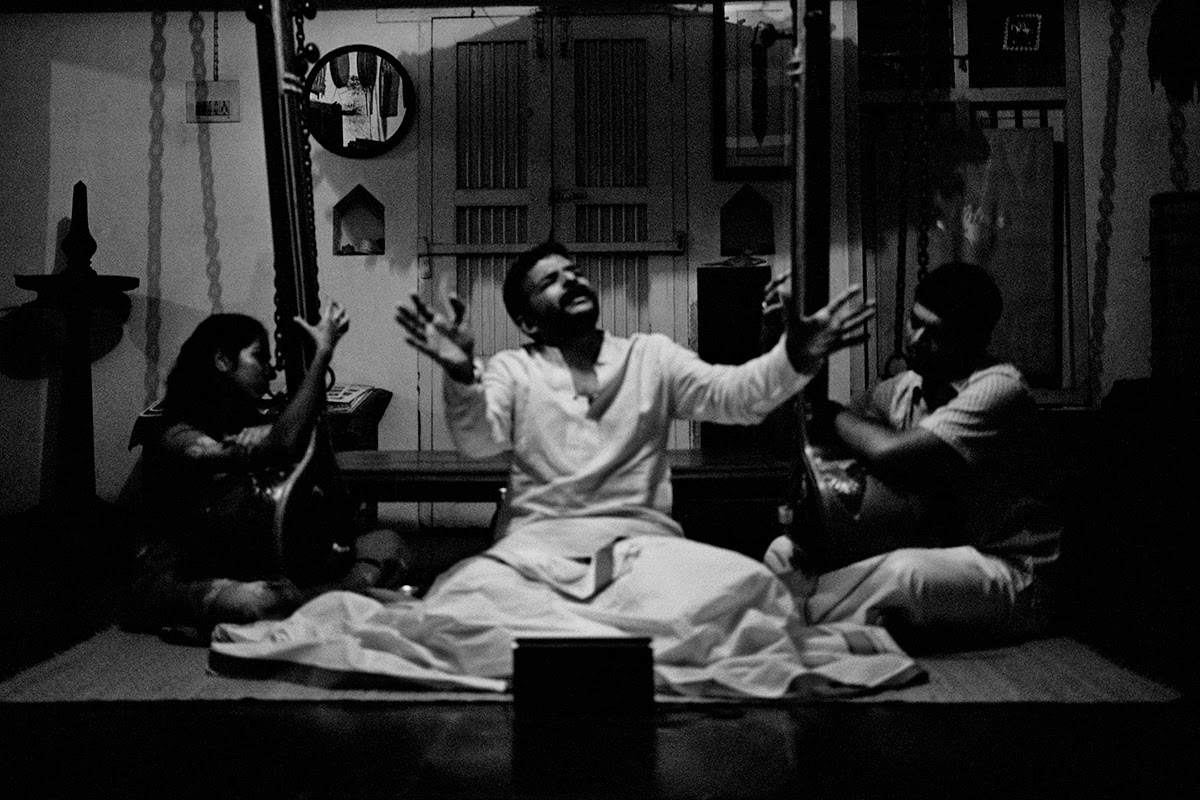
The key for my work is conversation, one of the most memorable conversations I had was with T M Krishna, on stage! at the Hindu Lit fest. Riyaaz, rigour, the process of enquiry, and all that goes into a voice of ones own, which is never a voice of ones own, it is formed by ones larger experiences…..My school of photography would have TMK, P Sainath and Michael Ondaatje. On being a soloist….

Here is the link- https://www.youtube.com/watch?v=6MKVYZlS2h8

Dayanita Singh and T M Krishna

This photograph is from a book release of FILEROOM. I had only just heard and read TMK and knew there was a long conversation important conversation possible here. So I called Sharan Appa Rao in Chennai and asked if we could do a book release for FILEROOM. She agreed and then I said, might it be possible to ask TMK to release the book. I met him at the book release.

In conversation with T M Krishna – A voice of ones own

T M Krishna on Sound and Art / a voice of ones own

It is precisely this thought in Music that can inform what ones does with Photography and Art, in my ‘humble’ opinion. This mastering of the medium and then pushing its limits. Trying to enquire into that “something else” that makes an image linger.

“The fascinating part is that there is soundless thala and sound-filled thala. And in that interaction between the silent and the visual, and the interlaying of the voice and the way it interacts with the sound and the lack of the sound, is where music is really happening.”

And that of course, is what makes the inquiry so valuable. He is looking for, and urging all of us, to settle for nothing less than the “limitless.”“The more diversity of people that are engaged in the art, is it not possible that the art gets more enriched? Is it not possible, that the more we remove these barriers or restrictions and limitations the explorations within the art itself will become more interesting — in the endeavour, in the hope rather, of every human being with a voice of any kind to stay true to that Self which is not about being selfish, which is not about herself or himself or to be in touch with that which is not about themselves, is the beauty of any music.” http://www.musicrux.com/guest-blogs/music-can-show-you-who-you-are

DS_8926_006 2

http://www.musicrux.com/guest-blogs/music-can-show-you-who-you-are

T M Krishna on Sound and Art / a voice of ones own

photographers as photo archivists

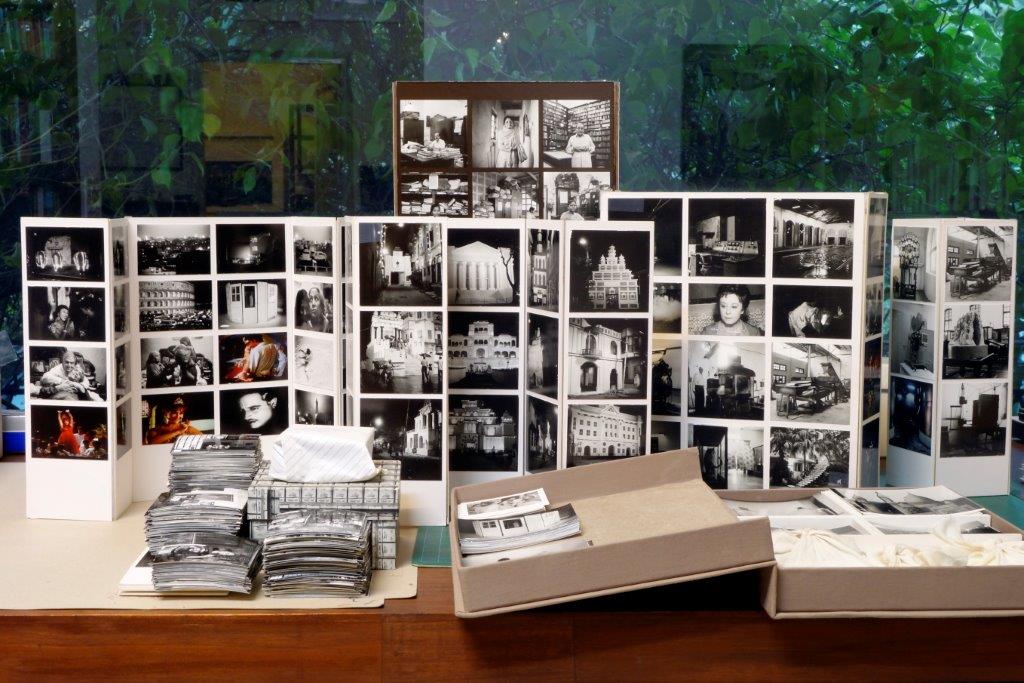
Museum Bhavan studio

Dear Aspiring Photographers
I think a new job oppurtunity has emerged in these FB discussions about how to earn a living with photography in a time when everyone is taking their own photographs.
I wonder if some of you might consider  offering  an archiving service to people who are making lots of photos with their phones, but are too busy to actually back them up and organise them in folders.  Especially young iphone parents photographing their newly born children. I wonder about the future of these images stored on passing phones or clouds even.
Whole archives/histories risk disappearing, each time a phone is lost or crashes, if they are not backed up continuously.That memory garden needs constant tending.
And the same service is required for people who are not as technologically savvy, but are still photographing on their phones and ipads.My mother for instance, probably yours too.
You might even offer to make prints from time to time, archival prints ofcourse.
Personally I think this is a great way of keeping memories technology proof.Make a few prints each month.
Iphone Parents might even hire you as a monthly ‘memory’ retainer, which would be best scenario. And give you all the time to pursue your own photography and find your own voice in this new language,
photographers as photo archivists

The Family Album in Passing Clouds

Yes, one wonders what will happen to the young Family archive, stored on passing phones and clouds, a giant garbage heap of memories. Even if they exist in this form, will they be accessible if someone is not continuously tending to them?

Dear young parent friends, perhaps make a print (archival) a month so that your child has (and her children too, will have) some record of their growing up. Something accessible? Like the Mahatta studio archive on display at IGNCA, Delhi. 100 years of photography from one studio. On until 8th September.

Taken at "Picturing a Century: An Exhibition of Historical Images and Cameras" at the IGNCA, New Delhi in collaboration with Mahatta & Co.
Taken at “Picturing a Century: An Exhibition of Historical Images and Cameras” at the IGNCA, New Delhi in collaboration with Mahatta & Co.

Submitted by dayanita on Mon, 08/24/2015 – 09:06

The Family Album in Passing Clouds